Detailed appliance repair services for the household equipment Pompano Beach homeowners rely on every day — from refrigerators and freezers to washers, dryers, dishwashers, ovens, ranges, ice makers and microwaves.
Pompano Appliance Service provides residential appliance repair across the major appliance categories found in most Pompano Beach homes. Each service below reflects the kinds of symptoms we regularly hear from homeowners, along with the general approach we take to understanding and addressing them. Appliance repair service availability can vary by appliance type, brand and model, so the first step for any appliance issue is always a clear description of the symptoms.
Because appliances share components across brands but differ in layout, control systems and access points, a structured, symptom-first approach works better than a one-size-fits-all repair method. That's true whether the appliance is a refrigerator in a Pompano Beach kitchen, a washer in a Deerfield Beach laundry room, or an oven in a home near Coral Springs. The sections below walk through each appliance category we work with, the common problems associated with it, and what a homeowner can expect when requesting service.
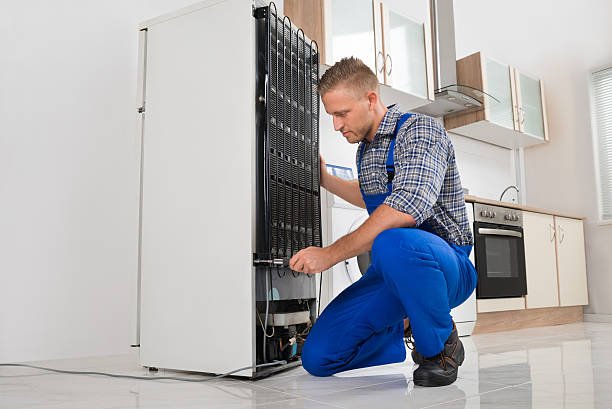
A refrigerator is one of the few appliances that runs continuously, which means even a small change in performance is usually a sign of something worth looking into. Refrigerator repair is one of the most requested services we provide to Pompano Beach homeowners, and for good reason — when a refrigerator stops working properly, everything inside it is at risk within a matter of hours.
The most common concern homeowners describe is a refrigerator not cooling properly, where the fresh food compartment feels noticeably warmer than it should while the freezer section may still seem to be working normally, or vice versa. This kind of imbalance often points to an airflow, sealing or compressor-related issue, though the exact cause depends on the appliance and how long the problem has been developing. Refrigerator leaking is another frequent symptom, whether that means water pooling on the kitchen floor in front of the unit or moisture building up inside the refrigerator or freezer compartments. Leaks are often tied to drainage, defrost or door-seal issues, and addressing them typically starts with identifying exactly where the water is originating.
Temperature problems can also show up more subtly — a refrigerator that seems to run constantly without ever fully cycling off, or one that cycles far more frequently than it used to. Strange noises are another common trigger for a service call, including buzzing, clicking, humming or rattling sounds coming from the back or bottom of the unit, which can point to a range of causes depending on when the noise occurs and how it sounds. Door and seal issues are worth mentioning separately, since a gasket that no longer seals properly forces the compressor to work harder and can contribute to both temperature and frost-related problems over time.
Freezer compartment problems within a combination refrigerator unit are treated similarly to standalone freezer issues, and often overlap with ice maker complaints, since many refrigerators route their water supply through the same system that feeds the ice maker. When an ice maker stops producing ice, produces less than usual, or jams during the cycle, that symptom is considered alongside the refrigerator's broader cooling performance rather than in isolation. Because refrigerators combine several interconnected systems — cooling, defrost, sealing and, in many units, ice and water — an accurate description of the symptom, including when it started and how it has changed, is the most useful starting point for any refrigerator service call in Pompano Beach or the surrounding area.
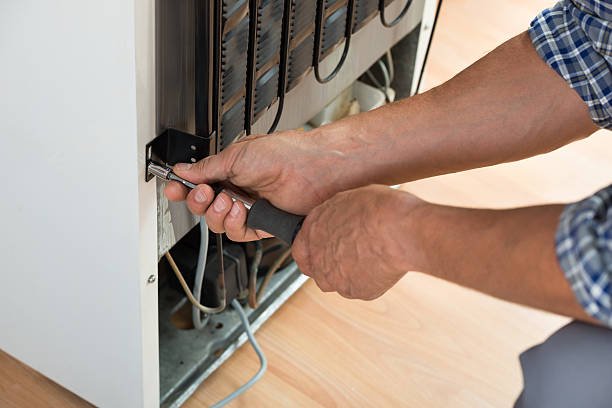
Standalone freezers and the freezer compartments built into refrigerators share many of the same failure patterns, and freezer not freezing is the most common complaint we hear. This can range from a freezer that never reaches a proper freeze to one that starts strong but gradually loses its ability to hold temperature over the course of a day.
Excessive frost buildup is another frequent symptom, often appearing around the door seal, along the back wall, or across stored items inside the unit. In most cases, frost buildup is connected to either a sealing problem that's letting warm, humid air into the compartment — a particular concern in Florida's climate — or a defrost cycle that isn't completing properly. Temperature fluctuations, where the freezer seems to work fine for stretches of time and then struggles, point to a different category of issue and are usually easier to diagnose the sooner they're reported.
Cooling problems in a freezer are treated with the same urgency as refrigerator cooling problems, since frozen food can begin to thaw relatively quickly once a compartment starts losing temperature. Door and seal issues are worth checking early, since a compromised gasket is one of the simpler things to identify and one of the more common contributors to ongoing freezer performance problems.
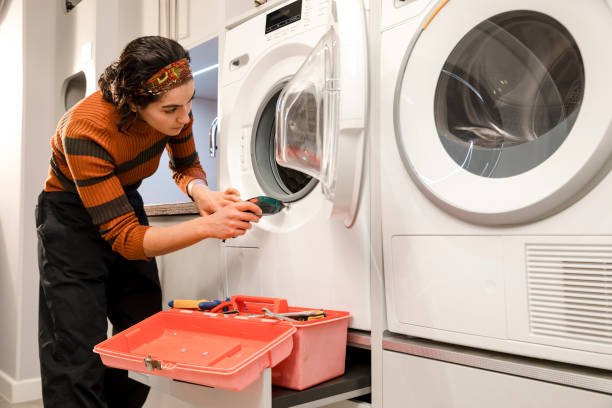
Washing machines cycle through fill, wash, drain and spin stages dozens of times a week in an active household, and washer repair covers the full range of problems that can show up across those stages. Washer not spinning is one of the most common calls — clothes come out of the cycle soaked rather than damp, which usually points to an issue somewhere in the spin or drive system.
Washer not draining is closely related and often confused with a spin problem, since a washer that can't drain properly also can't complete a normal spin cycle. Standing water left in the drum at the end of a cycle is the clearest sign of a drainage issue, and it's worth noting whether the water is clean, soapy or discolored, since that detail can help narrow down where the problem originates. Washer leaking is another frequent symptom, whether the water appears around the base of the machine during the fill, wash or drain stages, or drips steadily throughout a full cycle.
A washer not starting at all — where the display lights up but the cycle won't begin, or the unit doesn't respond when a cycle is selected — is treated as a separate category of problem, often related to the door latch, control board or a safety interlock rather than the wash mechanism itself. Excessive vibration during the spin cycle, especially vibration strong enough to move the machine or make noise against nearby walls, often relates to load balance or suspension components, though a pattern that persists across multiple loads and load sizes is worth having looked at. Unusual noises — grinding, squealing, thumping or knocking — are useful diagnostic clues in their own right, and describing when in the cycle a noise occurs (fill, wash, drain or spin) helps narrow down the likely cause before a technician ever arrives.
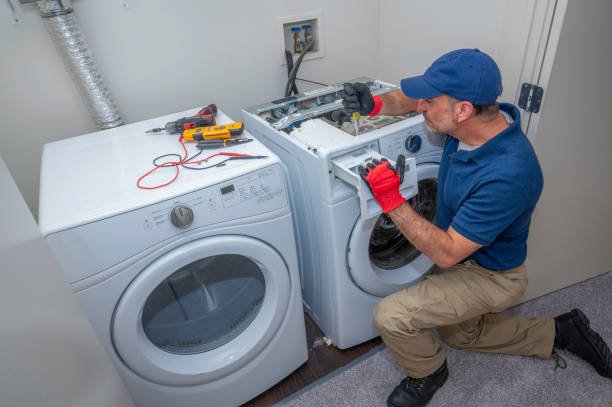
Dryer repair covers both electric and gas dryers, which share many of the same mechanical components but differ in how they generate heat. Dryer not heating is the most common symptom homeowners describe — the drum tumbles normally and the cycle runs its full length, but clothes come out just as damp as they went in, sometimes only slightly warm rather than hot.
Dryer not starting is a different problem entirely, usually pointing to the door switch, start mechanism or control board rather than anything related to heat or airflow. Dryer not tumbling — where the unit powers on and may even produce heat, but the drum doesn't turn — often relates to the drive system and is usually noticeable within the first few minutes of a cycle. Long drying cycles, where clothes need two or three runs through the dryer to fully dry, are one of the more gradual symptoms homeowners notice, and they're frequently connected to airflow restriction rather than a heating element issue outright, though both are considered during diagnostics.
Unusual noises — squealing, thumping, or a scraping sound as the drum turns — are common enough that most homeowners have heard at least one dryer make an unexpected noise at some point. A dryer that stops partway through a cycle, whether it shuts off completely or pauses and restarts, is treated as a priority symptom, since it often points to a safety-related component reacting to another underlying issue, such as heat buildup from restricted airflow.
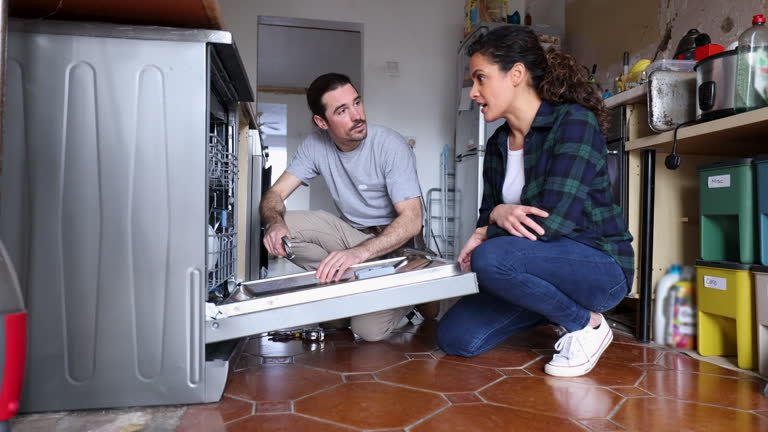
Dishwasher repair addresses the full cycle of problems a dishwasher can develop, from a unit that won't clean properly to one that won't start at all. Dishwasher not cleaning shows up as dishes coming out with a filmy residue, visible food particles still stuck to plates, or glassware that looks cloudy after a full cycle — symptoms that can stem from spray arm, filter or water supply issues.
Dishwasher not draining leaves standing water pooled in the bottom of the tub after the cycle finishes, which is one of the more noticeable and often frustrating symptoms homeowners deal with, since it usually means the next load can't be run until the issue is addressed. Dishwasher leaking presents as water escaping around the door seal during a cycle or pooling underneath the unit on the kitchen floor, and identifying exactly where the water is coming from is an important early step. Dishwasher not starting — where the control panel lights up but pressing start does nothing, or the display doesn't respond at all — often relates to the door latch or control system rather than the wash mechanism.
Poor drying performance, where dishes come out of a completed cycle still wet or with water pooled in cups and bowls, is a separate but related concern, often tied to the heating or venting system used during the dry phase. As with other kitchen appliances, water-related problems in a dishwasher are worth addressing promptly, both because of the mess involved and because of the potential for water damage to surrounding cabinetry and flooring if a leak goes unaddressed.
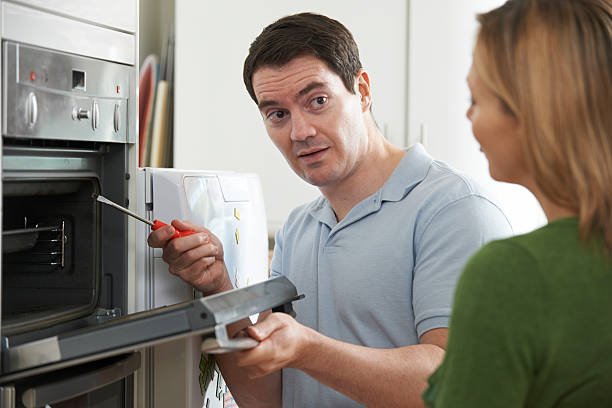
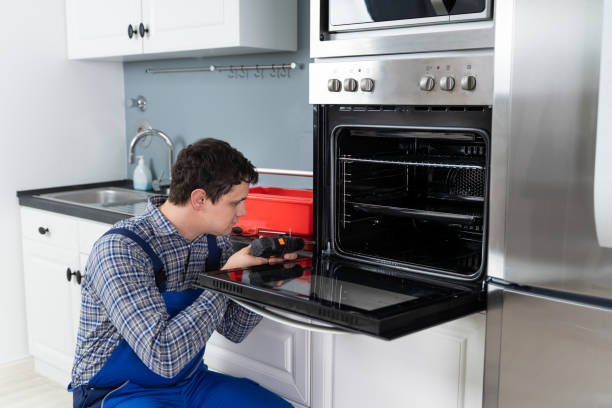
Oven and range repair covers both electric and gas cooking appliances, along with the freestanding ranges, built-in ovens, stoves and cooktops found throughout Pompano Beach homes. Oven not heating is the most common issue reported — the unit powers on, the display works normally, but the interior never reaches the set temperature, or takes far longer than it should to get there.
Uneven heating is a related but distinct symptom, where food cooks faster on one side of the oven than the other, or where a recipe that used to bake evenly no longer does. Temperature issues in general — an oven that runs hotter or cooler than the temperature displayed — are often only noticed gradually, through inconsistent baking results over time, which makes it worth mentioning when the symptom was first noticed and how it has changed.
Range problems refer to issues affecting the combined oven-and-cooktop unit as a whole, including situations where one part of the range works normally while another doesn't. Stove and cooktop problems more specifically involve the burners — gas burners that won't ignite, click without lighting, or produce an uneven flame, and electric burners or elements that don't heat, heat inconsistently, or cycle on and off unexpectedly. Because gas appliances involve an added safety dimension, any gas-related symptom — the smell of gas, a burner that won't stay lit, or repeated ignition problems — should be reported clearly and promptly when requesting service.
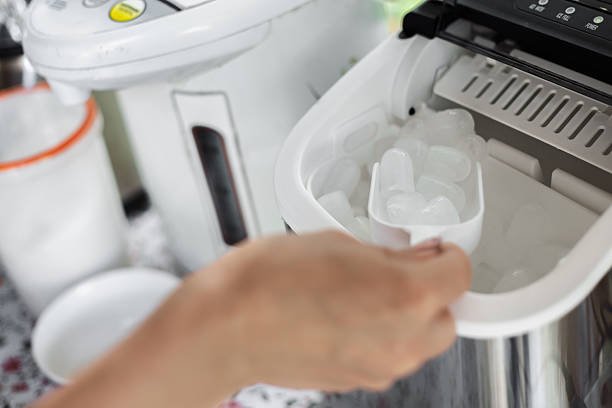
Ice maker repair covers both the ice makers built into refrigerator-freezer combination units and standalone ice maker appliances. Ice maker not producing ice is the most direct version of this problem — the unit runs, but no ice appears in the bin over the course of a day or more. Slow ice production is a milder version of the same issue, where the ice maker still works but produces noticeably less ice than it used to, or takes much longer between batches.
Water supply issues are a common underlying factor in ice maker problems, since the ice maker relies on a steady, unobstructed water line to function properly. A frozen or blocked supply line, a faulty inlet valve, or a kinked water connection can all interrupt ice production even when the rest of the appliance is working normally. Other common ice maker symptoms include ice that comes out oddly shaped, cloudy, or with an unusual taste or smell, as well as a dispenser that jams or won't release ice even when the bin is full.
Because ice makers are connected to a home's water supply, any ice maker symptom is worth mentioning alongside a description of the surrounding refrigerator or freezer's overall performance, since the two systems are often linked.
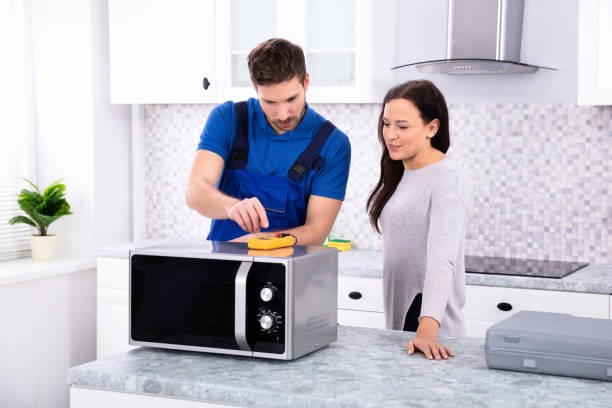
Microwave repair covers both countertop units and built-in or over-the-range microwaves. The most common complaint is a microwave that runs — the turntable spins, the display lights up, the timer counts down — but the food inside doesn't actually heat, which usually points to an internal component rather than anything visible from outside the unit. A microwave that won't start at all, where pressing start produces no response, is a separate and often simpler symptom to describe.
Other common operating problems include a turntable that won't rotate, a door that won't latch properly (which most microwaves require in order to run as a safety measure), unusual noises during operation such as buzzing or arcing sounds, or a control panel that responds inconsistently to button presses. Because microwaves combine electrical and mechanical systems in a compact space, a clear description of exactly what does and doesn't work — power, display, turntable, heat — helps narrow down the likely cause before service begins.
Accurate diagnosis is the foundation of every appliance repair conversation. Before any repair is discussed, the goal is to understand exactly what the appliance is doing — and, just as importantly, what it isn't doing — so that the underlying cause can be identified rather than guessed at.
Appliance diagnostics starts with the symptom itself: when did it begin, how often does it occur, and has it changed over time? A refrigerator that's been running slightly warm for a week tells a different story than one that stopped cooling overnight. A washer that vibrates only on heavy loads points somewhere different than one that shakes on every cycle regardless of load size. These details matter, and homeowners who can describe them clearly help make the diagnostic process faster and more accurate.
From there, diagnostics typically involves a closer look at the appliance itself — checking the relevant systems based on the reported symptom, whether that's cooling and sealing for a refrigerator, drainage and drive components for a washer, or heating and ignition for an oven or range. The goal at every step is to move from symptom to cause, and from cause to an appropriate repair recommendation, rather than replacing parts on a guess. This structured approach applies to every appliance category we service, from refrigerators and freezers to washers, dryers, dishwashers, ovens, ranges, ice makers and microwaves throughout Pompano Beach and the surrounding area.
General appliance maintenance can help extend the useful life of household appliances and reduce the likelihood of a sudden breakdown. Simple, homeowner-level habits make a meaningful difference over time: keeping refrigerator coils free of dust, cleaning washer door seals and detergent trays to prevent buildup, clearing dryer lint traps and vents after every load, and running an empty dishwasher cycle periodically with a cleaning product designed for that purpose.
Beyond these basic habits, most appliance maintenance involves electrical components, water lines, or in some cases gas connections that are best left to a qualified technician rather than handled as a do-it-yourself project. If an appliance shows early warning signs — a new noise, a slower cycle, a slight change in temperature performance — addressing it sooner rather than later is generally easier and less disruptive than waiting for a full breakdown.
We work with many common appliance brands and models. Service availability can vary by appliance type and model. Contact us with your appliance details so the service requirements can be discussed.
Describe the symptoms and request service — we cover Pompano Beach and nearby Broward County communities.